
Guidance and diagnosis
Neuropsychological assessment and diagnosis
A service for children, adolescents, adults and older people that helps understand how they function and guide the support they need.
There is no prior 25-minute assessment appointment: the process starts directly with the neuropsychology professional.

understanding better in order to guide
Sometimes, in addition to emotional, educational or medical support, a specific assessment is needed to understand how a person is functioning in areas such as attention, memory, learning, language or executive functions.
A neuropsychological assessment can be carried out at any stage of life: childhood, adolescence, adulthood and older age.
It is usually especially useful when a difficulty is having a significant impact on daily life, studies, work, relationships, autonomy or emotional well-being.
The aim is not to look for a label or decide whether someone fits a rigid idea of “normality”. It is about better understanding how they function, recognising their abilities and needs, and guiding the support that can help them.
when a neuropsychological assessment can be useful
An assessment may be indicated when there are persistent difficulties related to:
- Attention, concentration or impulse control.
- Memory and learning.
- Reading, writing, comprehension or arithmetic.
- Language and communication.
- Organisation, planning or mental flexibility.
- Academic or work performance.
- Autonomy in daily activities.
- Cognitive or behavioural changes.
- Adaptation to the educational, work, family or social environment.
It can also be useful when there is a possible neurodivergence, learning difficulties, memory problems or signs of cognitive decline.
The need for an assessment does not depend only on the existence of a different trait, but on its impact on daily life and on the questions that need answering.
assessment at every stage of life
Every age raises different needs and questions.
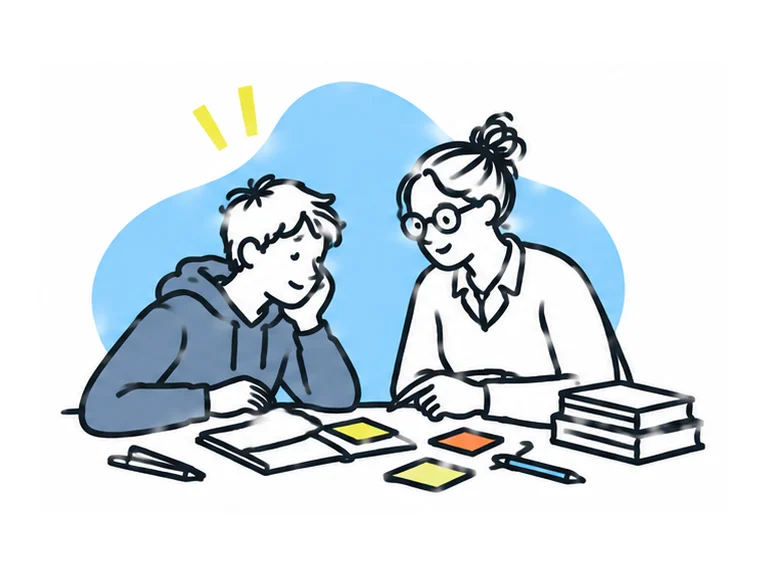
Children and adolescents
The assessment can help understand difficulties with learning, attention, language, emotional regulation, behaviour, social interaction or adaptation to school.
It also makes it possible to guide the family and the school on the most suitable support and strategies.
Ver psicología infantil → Ver reeducaciones psicopedagógicas →
Adulthood
Many people reach adulthood without having understood why certain situations have always taken more effort for them.
An assessment can help explore possible neurodivergence and difficulties with attention, memory, learning, communication or executive functions.
It can also be useful when these difficulties affect work, studies, daily organisation, relationships, autonomy or self-esteem.
Ver psicología para adultos →
Older people
In later life, the assessment makes it possible to explore changes in memory, attention, language, orientation, planning or autonomy.
It can help assess whether these are changes associated with ageing or whether there are signs of mild cognitive impairment, dementia or other conditions that require follow-up and specialist care.
The assessment makes it possible to guide the person themselves, their family, their caregivers and, when necessary, specialist professionals or support workers.
how the assessment process works
A neuropsychological assessment is much more than taking some tests. The results are interpreted together with the person’s history, development, context and daily functioning.
The process may include:
An initial interview
Gathering personal, medical, family, educational or work information
One or more assessment sessions
Questionnaires and review of previous reports
Coordination with other professionals, when necessary and with consent
Analysis and integration of the results
Delivery of a written report
Feedback session and guidance on the next steps
Not all assessments include the same tests. The professional will select the necessary instruments according to the age, the reason for consultation and the areas to be explored.
Assessment sessions take place in the morning, when the person is usually more rested and can sustain attention better.
For children and adolescents, the initial interview usually takes place with their caregivers. For adults, it takes place directly with the person concerned. When an older person is assessed, a family member or caregiver may also take part.
assessing without reducing to a label
The concept of neurodivergence recognises that not all of us process information, learn, regulate attention, communicate or perceive our surroundings in the same way.
An assessment can help explore possible situations related to ADHD, autism, dyslexia, dyscalculia, language difficulties, coordination or giftedness.
However, a different way of functioning does not have to become a diagnosis automatically.
When a diagnosis is clinically justified, it can bring clarity, validate an experience and make it easier to access certain support. Even so, it does not on its own explain who a person is or sum up their whole story.
That is why the assessment also identifies strengths, resources and strategies that already work. The results are interpreted within each person’s context, without turning a score or a diagnostic category into a rigid definition of their identity.
results, feedback and recommendations
Turning the results into useful guidance.
The feedback session
Once the assessment is complete, we hold a feedback session to explain the results clearly and understandably, answer questions and share the most suitable recommendations.
For minors, the feedback takes place with their caregivers, and we consider how to pass the information on to the child or adolescent in a way adapted to their age.
For adults and older people, the feedback takes place directly with the person assessed. With their authorisation, family members, caregivers or other professionals may also take part.
The recommendations may include
- Guidance for daily life.
- Educational support or adaptations.
- Academic or workplace adjustments.
- Psychopedagogical support.
- Psychological support.
- Organisation and autonomy strategies.
- Cognitive stimulation or rehabilitation.
- Support for family members and caregivers.
- Coordination with health, education or social care professionals.
- Referral to other specialist services.
The purpose is for the assessment not to remain only a report, but to help make decisions and build a useful support plan.
coordination with the person’s environment
Understanding how the person functions in their daily life.
Functioning can vary a lot depending on the context. That is why, when necessary and with consent, we can coordinate with:
- Schools.
- Health professionals.
- Psychologists or therapists.
- Speech therapists and educational psychologists.
- Workplaces or training centres.
- Social services.
- Family members and caregivers.
- Support professionals or specialist support workers.
This shared view makes it possible to understand the difficulties better and helps the recommendations be applied in the person’s real environments.
How to start
how to request an assessment
A first interview with the neuropsychology professional.
For a neuropsychological assessment there is no prior 25-minute assessment appointment.
The process starts directly with the neuropsychology professional.
For children and adolescents, the first interview usually takes place with their caregivers. For adults, it takes place directly with the person concerned. For older people, a family member or caregiver may also take part when necessary.
At this first meeting we will gather the reason for consultation, the relevant history and any previous reports.
From there, the professional will explain how the assessment will be organised, which areas should be explored, how many sessions may be needed and which people or resources from the person’s environment will take part in the process.
Ask a question before you start
You can write to us on WhatsApp and ask with no obligation. We would rather answer a question than leave you with it.
Request a neuropsychological assessment
Fill in the form and the neuropsychologist will contact you by email to learn about the case and schedule the first visit.
25 minutes · €36 · In person in El Masnou
Choose a day
Loading the calendar…
Choose a time
Couples therapy has its own process
It does not start with the first assessment appointment: the first step is different. On its page we explain how it works, and you can book directly.
Family therapy has its own process
It does not start with the first assessment appointment: the first step is different. On its page we explain how it works, and you can book directly.
We have received your request
We have received your request. The neuropsychologist will contact you by email to learn about the case and arrange the first visit.
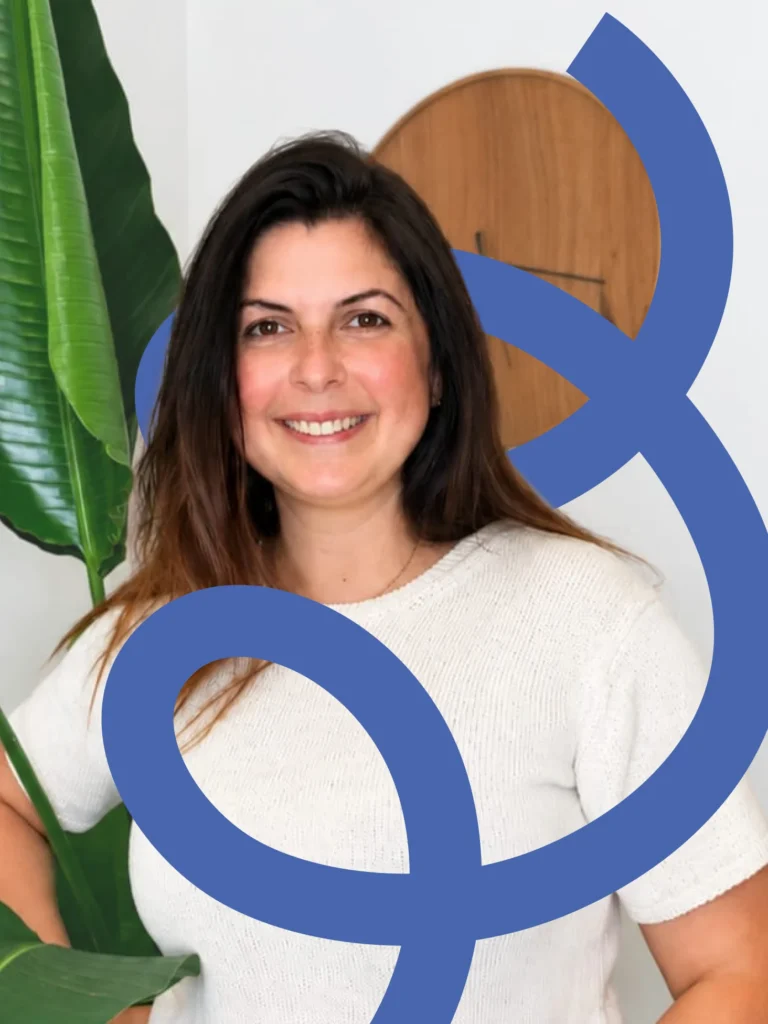
- Therapist
Beatriz Velazco Brao
Registered Health Psychologist · Child and adolescent psychology · Parenting guidance · Neurodivergence
- Languages
- Spanish · Catalan
- Format
- In person in El Masnou · Online
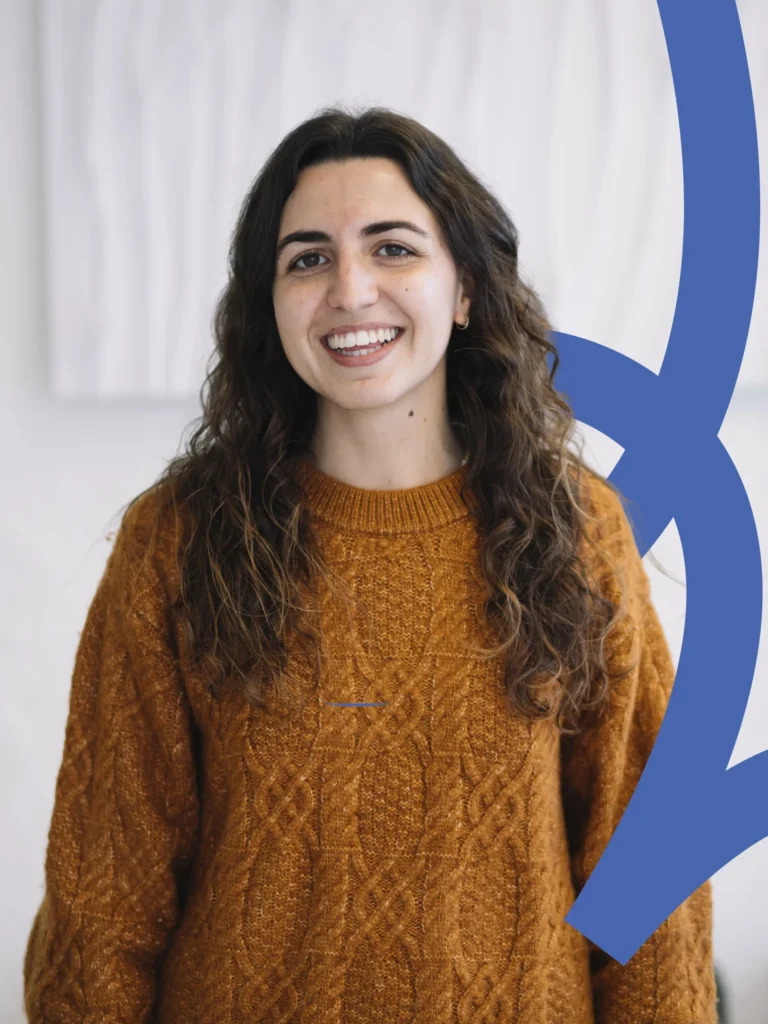
- Therapist
Berta Pujadó Rodríguez
Psychologist · Emotional support for children and adolescents · Educational psychology support
- Languages
- Spanish
- Format
- In person in El Masnou

- Therapist
Rubén Romero Marín
Neuropsychologist · Registered Health Psychologist · Neuropsychological assessment and diagnosis in childhood, adolescence, adulthood and older age · Adult psychotherapy
- Languages
- English · Catalan · Spanish
- Format
- In person in El Masnou · Online
frequently asked questions about the neuropsychological assessment
Some common questions before you start.
Is this service only for children and adolescents?
No. We assess children, adolescents, adults and older people.
Do we need a suspected diagnosis?
No. An assessment can also be carried out when there are significant difficulties and it is not yet clear what may be happening.
Does the assessment consist only of taking tests?
No. The tests are one part of the process, but the results are interpreted together with the person’s history and daily functioning.
Does assessing mean looking for a label?
No. The main aim is to understand what is happening and guide the necessary support. A diagnosis is only considered when it provides useful information and is clinically justified.
Can a possible neurodivergence be assessed in adulthood?
Yes. Many people reach adulthood without having identified possible ADHD, autism, dyslexia or another neurodivergence. The assessment can help them understand their experience and guide adaptations or support.
Can an assessment be carried out for possible memory problems or cognitive decline?
Yes. We assess changes in memory, attention, language, orientation and other cognitive functions to understand what is happening and guide the next steps.
How many sessions will be needed?
It will depend on the age, the reason for consultation and the areas to be assessed. The professional will explain the plan at the start.
In many cases, the process usually includes about four assessment sessions and a final feedback session, in which the results are explained and the possible next steps are discussed.
The length can vary depending on the reason for consultation. Some assessments may be shorter, as in certain cases of possible cognitive decline or dementia, while others require more sessions for a differential diagnosis.
A differential diagnosis consists of exploring different possible explanations for the same difficulties, assessing which fits the person’s functioning best and ruling out other causes that may produce similar symptoms.
Will I receive a written report?
Yes. At the end you receive a report with the results, the conclusions and the corresponding recommendations. It is always delivered during a feedback session held by the neuropsychologist to explain the results.
Do you coordinate with the school or with other professionals?
Yes. When necessary and with consent, we can gather information and coordinate with the professionals or resources involved.
Does the assessment guarantee a diagnosis?
Not necessarily. It may confirm a hypothesis, rule it out or help understand the difficulties from another perspective.
understanding what is happening makes it possible to support in a more attuned way
First assessment appointment
A first 25-minute meeting to hear your situation, answer your questions and point you towards the right kind of support.
In-person therapy
Discover in-person psychological care at Calma de Ser in El Masnou.

Online therapy
Find out how online therapy works and which ages and types of support it is available for.