
Children and adolescents
Psychopedagogical support
Specialist support for children and adolescents with difficulties in learning, attention, organisation or academic autonomy.
In-person appointment in El Masnou or online appointment by video call.

when learning calls for a different kind of support
School difficulties do not always have to do with a lack of effort, interest or ability.
Sometimes a child or adolescent needs a different way of understanding, organising themselves, concentrating or accessing learning.
When these difficulties persist over time, they can also affect their motivation, their self-esteem and the way they start to see themselves: “I can’t”, “I’m no good at it” or “I’ll never manage”.
Psychopedagogical support makes it possible to work on the skills involved in learning through strategies adapted to each person’s age, profile and needs.
what is psychopedagogical support?
An intervention process aimed at understanding how the child or adolescent learns and giving them resources to approach tasks with more understanding, autonomy and confidence.
It is not a tutoring class, nor does it consist only of helping with homework. Although school materials may be used during the sessions, the aim is to work on the processes involved in learning.
This psychopedagogical support can address aspects such as attention, working memory, planning, reading, writing, mathematical reasoning or study strategies.
when can it help?
Difficulties that go beyond one specific subject.
Psychopedagogical support may be appropriate when persistent difficulties appear in one or more of these areas:
- Reading, writing and reading comprehension.
- Spelling and written expression.
- Mathematical reasoning and arithmetic.
- Attention and concentration.
- Working memory.
- Organisation and planning.
- Understanding and following instructions.
- Time management.
- Study strategies and habits.
- Starting and finishing tasks.
- Academic autonomy.
- Motivation and confidence in learning.
It can also support needs related to ADHD, dyslexia, dyscalculia, other learning disorders or giftedness.
The presence of any of these difficulties does not necessarily mean there is a disorder. Each situation must be assessed individually.
what do we work on during the sessions?
The content of the sessions depends on the age, the needs and the agreed goals. We can work on:
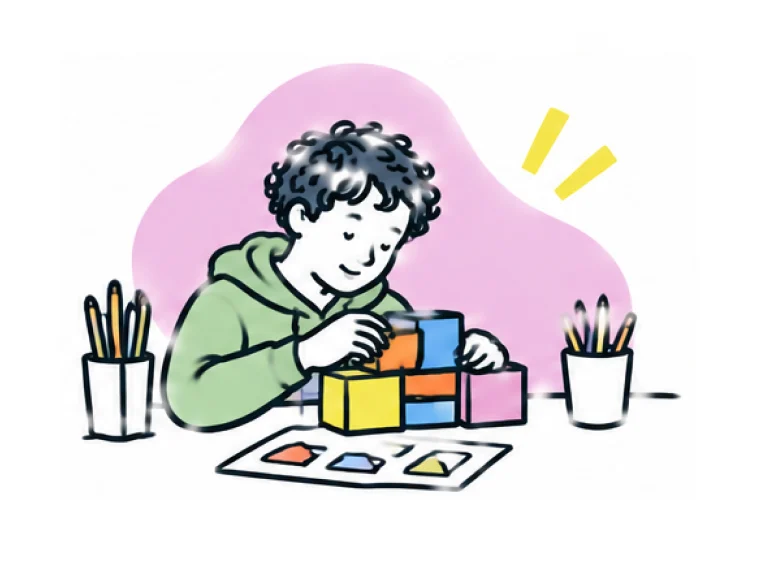
Attention
Strategies to sustain attention and control distractions.
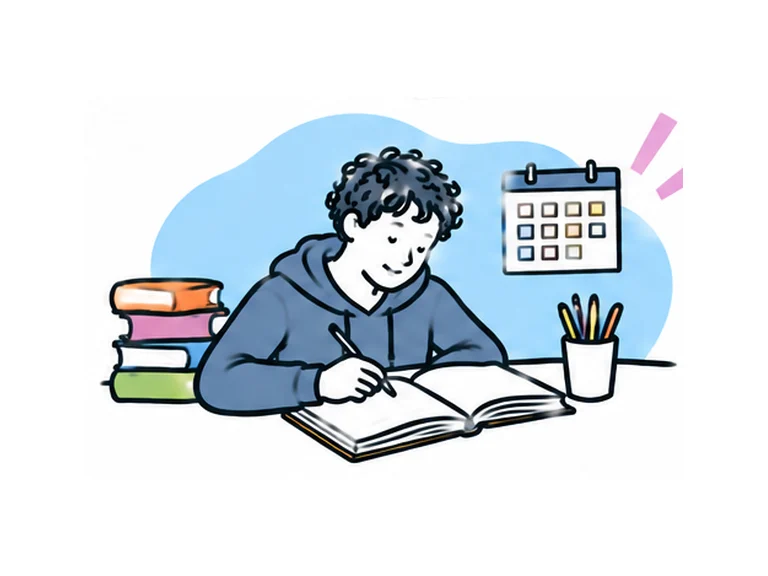
Organisation and planning
Organising materials and planning tasks.

Comprehension and memory
Techniques to understand and remember information.
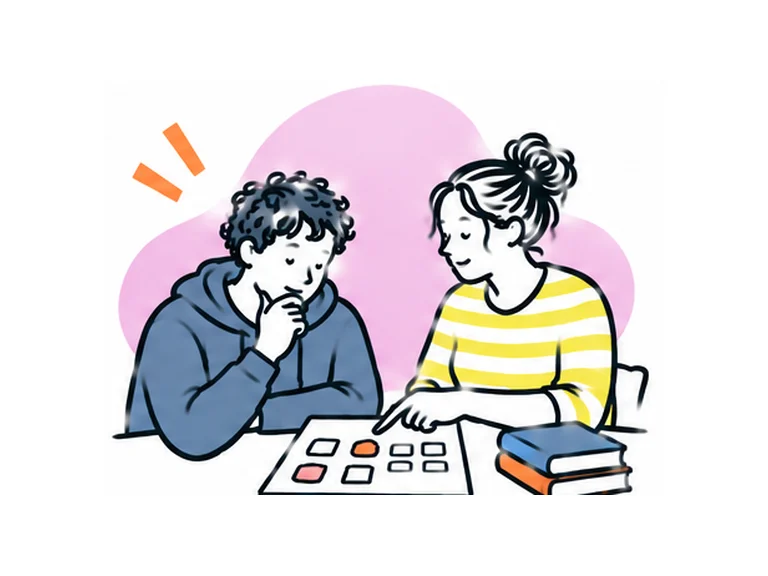
Assignments and exams
Preparing assignments and exams.
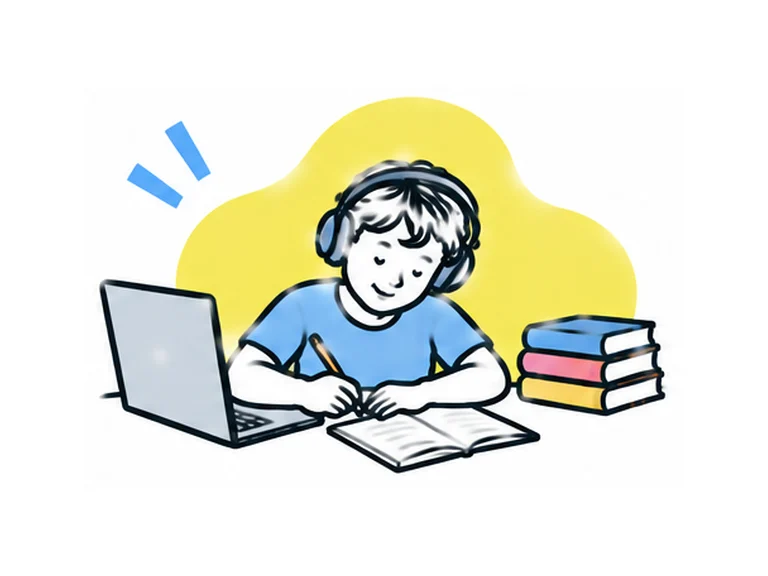
Reading and writing
Reading, writing and text comprehension.
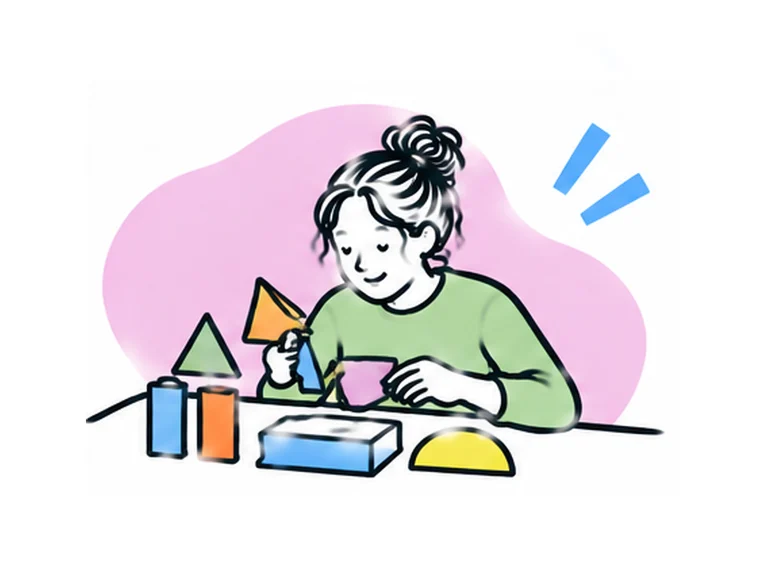
Mathematical reasoning
Mathematical reasoning and problem solving.
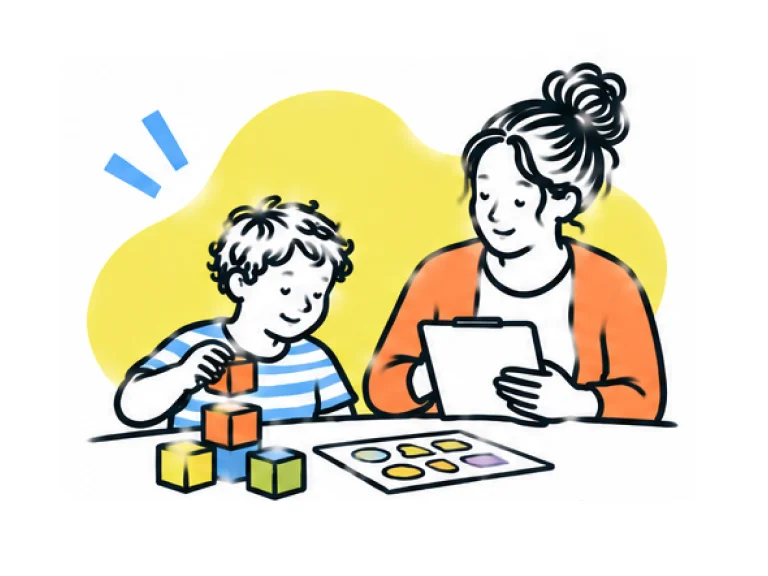
Instructions
Following instructions.
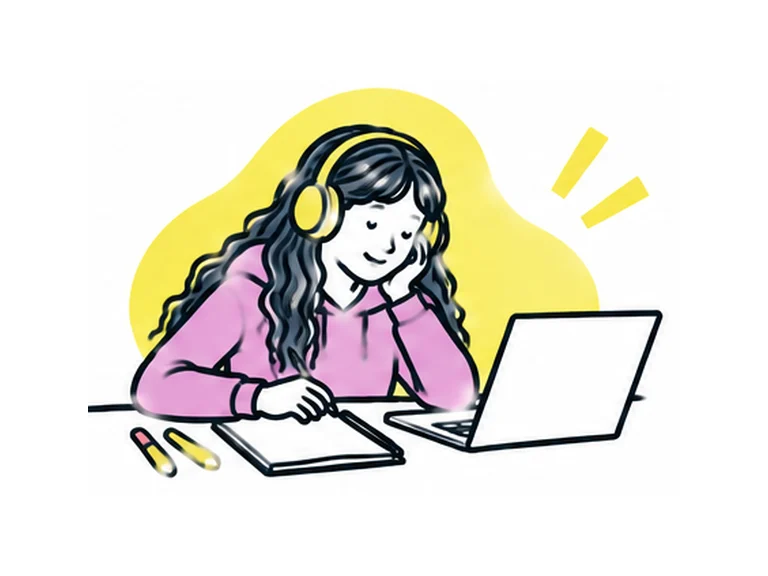
Study habits
Study habits and autonomy.
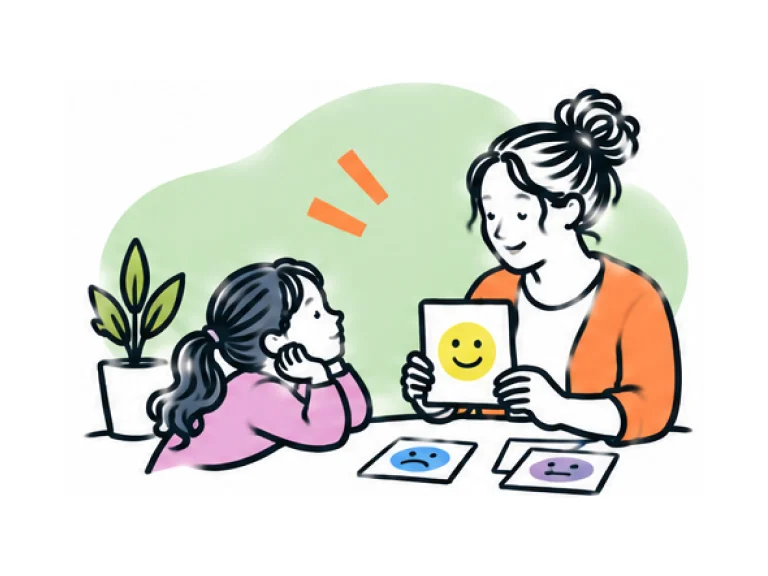
Mistakes and frustration
Resources for dealing with mistakes, blocks and frustration.
The activities are introduced progressively and aim for the strategies to carry over to school, home and other everyday situations.
how we provide psychopedagogical support
Our starting point is to understand how each child or adolescent learns.
Observing how they learn
During the first sessions we observe their needs, their strengths and the difficulties that appear in their daily life.
Specific goals
From this information, we set specific goals and adapt the activities to the way they process and understand information.
Strategies that make sense
The intervention does not aim to make them fit a single way of learning, but to help them find strategies that make sense to them.
Professional follow-up
A child psychologist or a psychologist specialised in adolescence will support the process and review the goals according to progress and the needs identified.
learning and emotional well-being
We support not only what is hard, but how they feel when they try.
Academic difficulties can gradually wear down confidence and cause frustration, shame, fear of making mistakes or rejection of schoolwork.
Over time, some children stop trying to protect themselves from the feeling of failure. Others try too hard, freeze, or experience every mistake as confirmation that they are not capable.
That is why, during the support, we also take care of the relationship they are building with their own abilities.
We want them to recognise their progress, tolerate mistakes better, ask for help when they need it and recover a sense of greater competence and confidence in learning.
coordination with the family and the school
Working as a team so that the changes reach daily life.
The support is provided in collaboration with the caregivers and the school.
Coordination lets us learn which difficulties appear in the classroom, share goals and help the strategies worked on in the sessions to be applied at home and at school too.
As part of the process, we hold a coordination session with the school. When more meetings are needed, they are considered and agreed with the family beforehand.
We also offer guidance to the caregivers to help them support homework, set routines and encourage autonomy without turning studying into a constant source of conflict.
in person or online
There is no better option. There is the one you can keep up every week, and you can alternate.
In-person therapy in El Masnou
At the centre, ten minutes from the station. For those who need to leave home to put some distance from what happens inside.
- 50-minute sessions, Monday to Thursday until 9 pm
- Free street parking
Online therapy
By video call, with the same professional, the same length and the same continuity. For those who travel, work shifting hours or find it hard to get around.
- From anywhere, also outside Catalonia
- It helps to have a fixed place where no one interrupts
First appointment
how to start psychopedagogical support
A first assessment to guide you. The first step is to request a psychopedagogical assessment with the caregivers through the contact form or by WhatsApp.
- We will ask for a full name, a phone number and an email address so that the specialist professional can contact you.
- During this first contact we can learn about the difficulties you have noticed, how they are affecting learning and emotional well-being, what support has been tried and what information the school has shared.
- From this information, we will assess which professional on the team can best respond to their needs. The specialist will contact you to explain how the first sessions will be organised and whether it is best to start with a session with the family or directly with the child or adolescent.
The frequency, the goals and the coordination with the family and the school will be adapted to each case.
If you prefer to ask first
You can ask on WhatsApp and we will guide you with no obligation.
Tell us what you need
You do not need to know which therapy or which professional to choose. We will help you find your way.
25 minutes · €36 · In person in El Masnou
Choose a day
Loading the calendar…
Choose a time
Couples therapy has its own process
It does not start with the first assessment appointment: the first step is different. On its page we explain how it works, and you can book directly.
Family therapy has its own process
It does not start with the first assessment appointment: the first step is different. On its page we explain how it works, and you can book directly.
Neuropsychology has its own process
It does not start with the first assessment appointment: the first step is different. On its page we explain how it works, and you can book directly.

- Therapist
Berta Pujadó Rodríguez
Psychologist · Emotional support for children and adolescents · Educational psychology support
- Languages
- Spanish
- Format
- In person in El Masnou
frequently asked questions
Some common questions before you start.
Is it the same as tutoring?
No. Psychopedagogical support works on the skills and processes involved in learning, not only the content of a subject.
Do they need a diagnosis?
No. We can start working from the difficulties observed, even if there is no diagnosis yet.
Do you also help with homework?
We may use schoolwork to apply strategies, but the aim is not to complete the homework; it is to help them do it with more understanding and autonomy.
How will we know what is being worked on?
The family will receive guidance on the goals, the progress and the strategies that can help at home. We will also coordinate with the school.
Is a neuropsychological assessment necessary?
Not always. If during the assessment we consider it would be useful to explore their cognitive profile or learning difficulties in more depth, we will explain it and guide you.
How long does the support last?
It will depend on the needs, the goals and the progress of each child or adolescent. The frequency and length will be reviewed throughout the process.
learning differently does not mean having less ability

First assessment appointment
A first 25-minute meeting to hear your situation, answer your questions and point you towards the right kind of support.

In-person therapy
Discover in-person psychological care at Calma de Ser in El Masnou.

Online therapy
Find out how online therapy works and which ages and types of support it is available for.