
Couples therapy, in person and online
Couples therapy
A space to understand what dynamic has formed, improve communication and decide how you want to take care of the bond.
In person in El Masnou or online.
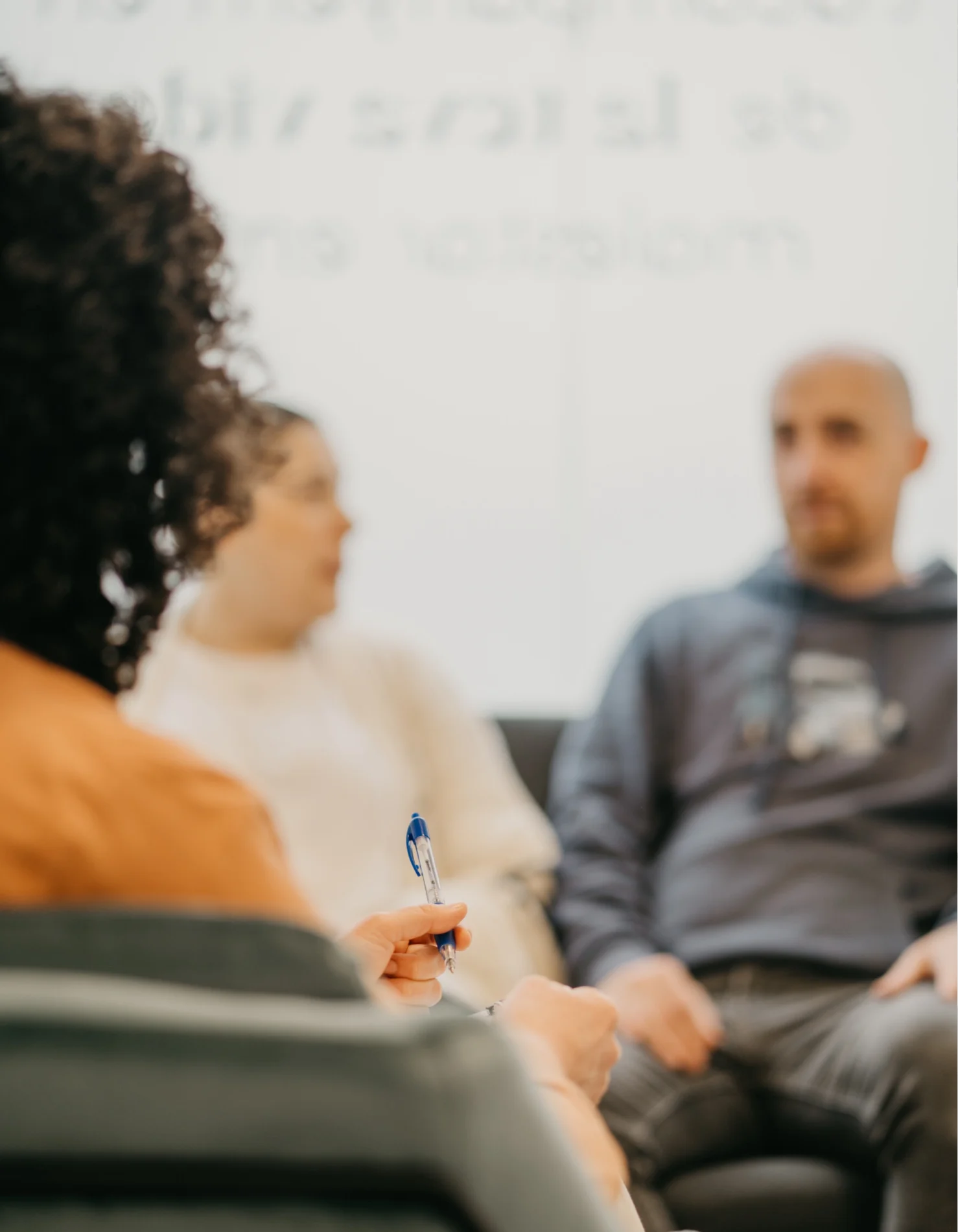
when loving each other no longer seems enough
Perhaps you still love each other, but you feel you have stopped meeting.
You talk and end up arguing. You try to sort things out and come back to the same point. One person asks for more closeness while the other pulls away, shuts down or stays silent.
Relationship problems can appear after an affair, the arrival of children, a loss, major changes or difficulties with intimacy. At other times, the distance has grown little by little.
At Calma de Ser we offer you a space to understand what is happening between you, stop the dynamics that hurt you and find new ways of relating.
It is not about deciding who is right, but about looking at the relationship and understanding what each person needs and what you want to build together.
couples therapy can help if…
You may consider therapy if:
- You talk, but you do not understand each other.
- You always argue about the same things.
- There are reproaches, defensiveness or silences.
- You feel emotional distance or loneliness within the relationship.
- You have lost trust or closeness.
- Parenting, living together or the mental load wear you down.
- There are difficulties with desire or intimacy.
- Your families of origin interfere in your relationship.
- There are wounds you have not been able to repair.
- You are going through a relationship crisis or have doubts about whether you want to continue.
- You want to separate in a more conscious and respectful way.
- You feel you can no longer go on relating in the same way.
You do not need to wait until the relationship is at breaking point to ask for help. Therapy can also offer you a space to understand what is happening before the distress grows.
what we work on in couples therapy
Understanding what is happening between you.
Communication
We work so that you can express what you feel and need without turning it into an accusation, and so that you can listen to each other without always going into defence or attack.
Repeated conflicts
We help you identify the dynamic that is triggered between you and tell apart what can be resolved, what needs to be negotiated and which differences you will have to learn to live with.
Trust
When there has been a wound, a lie or an affair, we work to understand its impact and consider what conditions can help restore a sense of safety.
The aim is not to play down what happened or force the relationship to continue, but to provide a space in which both people can understand the situation and make decisions.
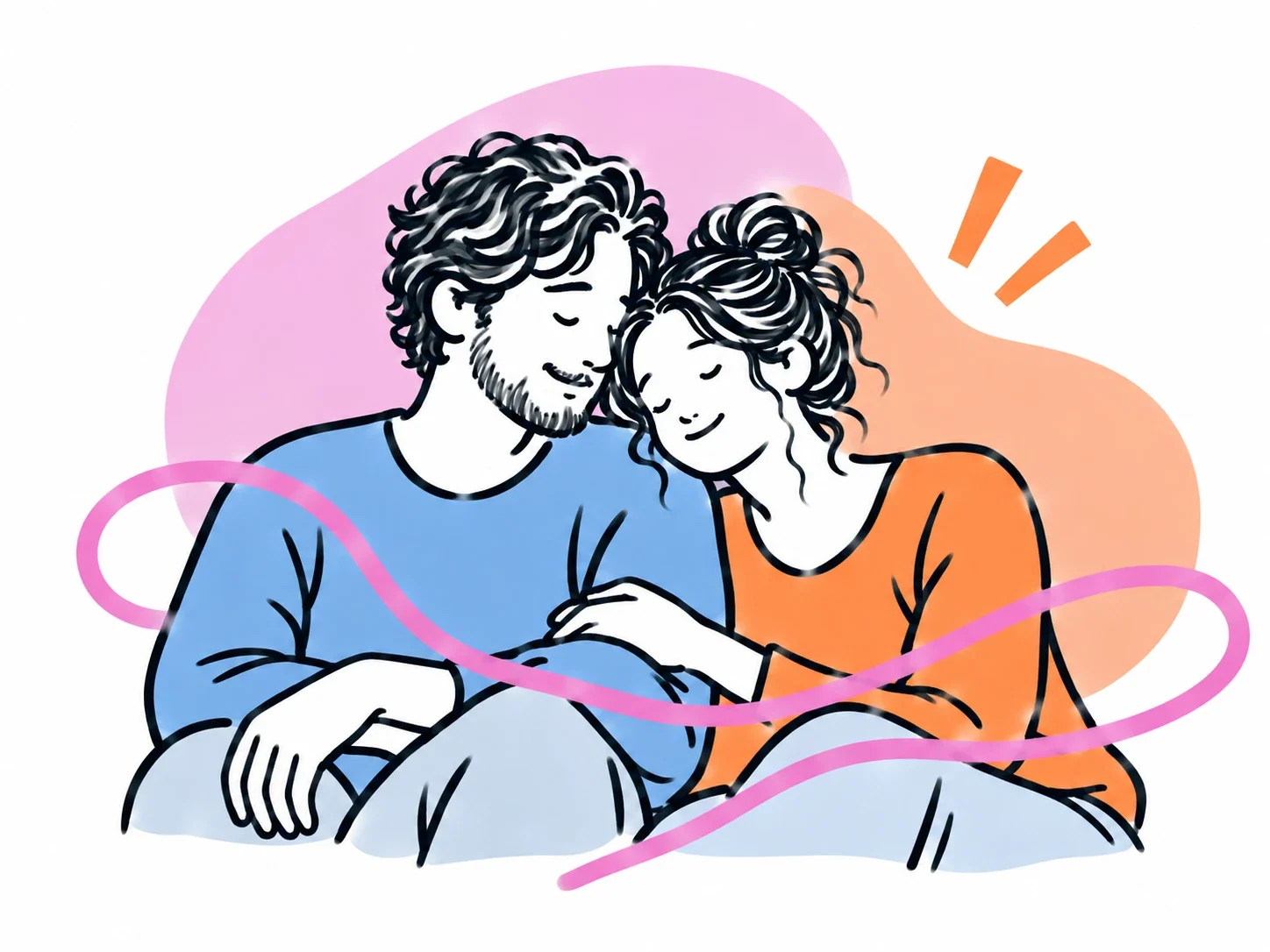
Desire and intimacy
We address differences in desire, sexual distance, rejection, pressure or loss of connection, without imposing a rigid idea of what a couple should be.
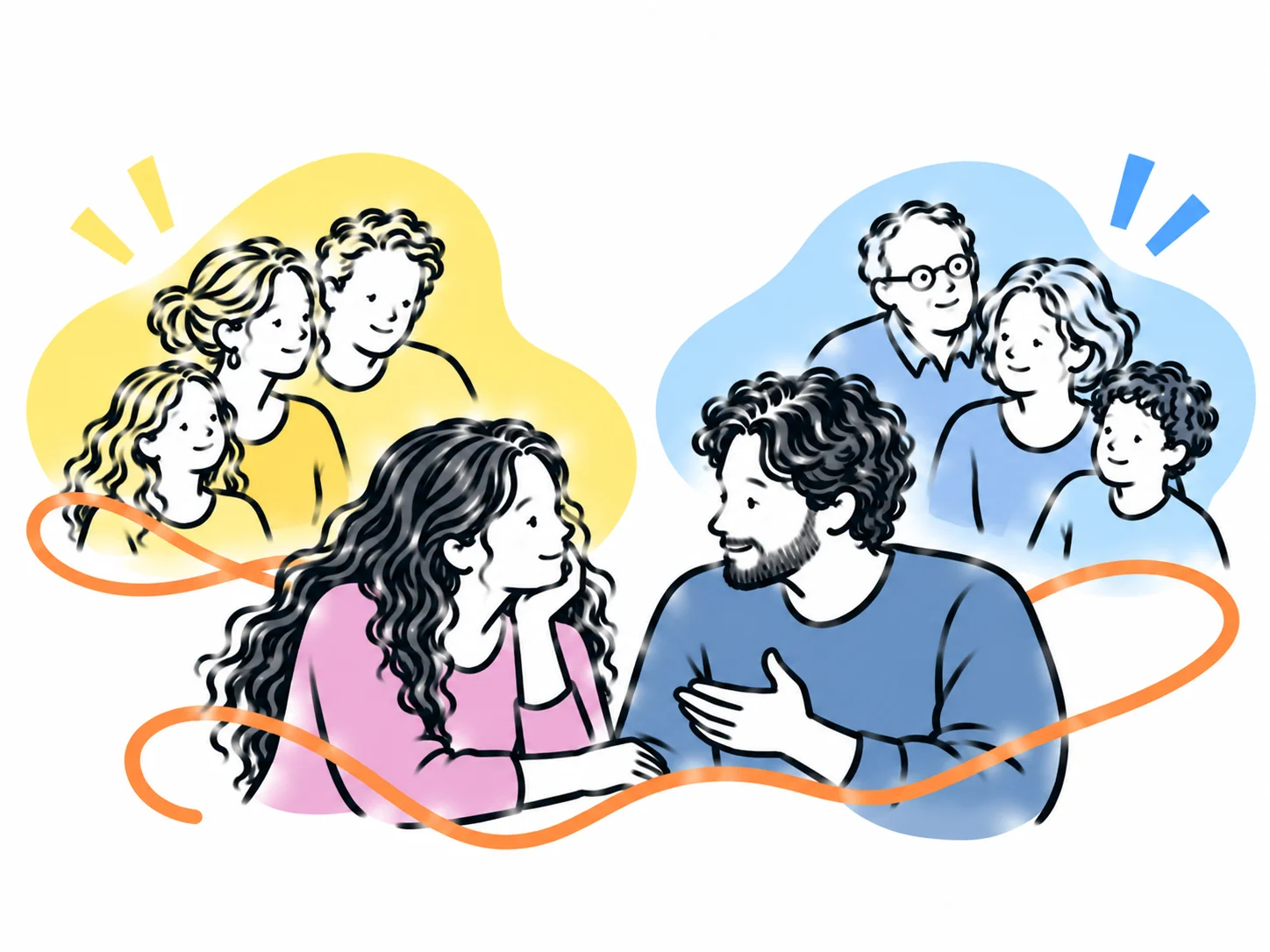
Families of origin
We explore how your history, family bonds and what you learned about love influence your current relationship.
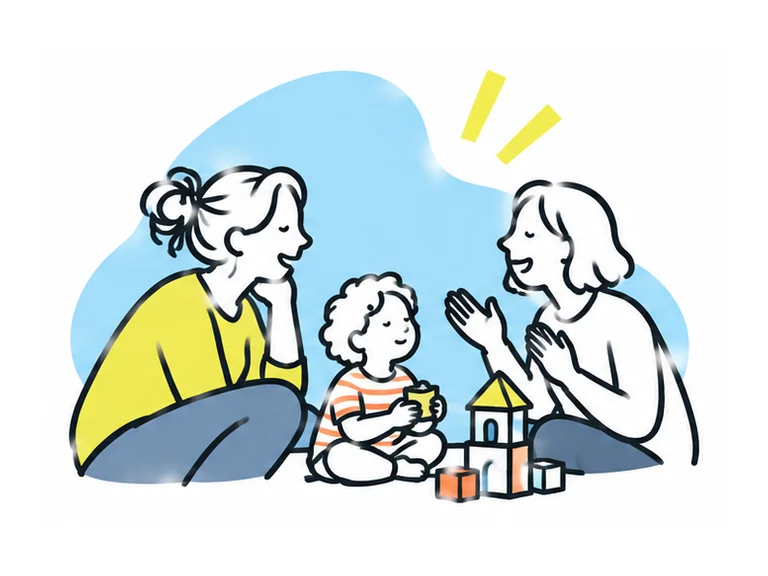
Parenting
We work on differences in parenting, mental load, the sharing of responsibilities and how to take care of the couple while raising children.
Conocer el asesoramiento de crianza →
Conscious separation
The only goal of therapy is not for the couple to stay together.
It can also help you decide with more clarity, or separate in a respectful way, especially when there are children.
how we understand couples therapy
We are not looking for who is right
Every couple builds its own way of relating.
Sometimes one person insists because they need to feel heard and the other pulls away because they feel attacked. The more one pursues, the more the other withdraws, and the dynamic ends up trapping both.
In therapy we do not look for someone to blame. We look at what happens between you, what each person is trying to protect and what they need in order to relate differently.
We work so that you can communicate more clearly, repair the wounds and build workable agreements.
We also help you ask yourselves what relationship you want to have now. Because a couple changes, goes through stages and needs to review its agreements as the people change too.
If one of you needs to work on individual aspects related to your mental health, we can consider whether it is best to combine or keep the two processes separate.
how to start couples therapy
First couples session
In couples therapy there is no prior 25-minute assessment appointment.
The first session takes place directly with both partners and lasts 60 or 90 minutes, depending on the option chosen.
During this meeting we can learn what brings you here, how each person experiences the situation and what you would like to change.
We will also begin to observe the dynamic that appears between you and define some first goals.
You do not need to agree on everything. The first session is also there to sort out the different views and consider how the process can help you.
First appointment
request a first visit for couples therapy
Fill in the form and we will assess which professional can support you according to your availability. The therapist will contact you by WhatsApp or phone to schedule the first visit.
In couples therapy you do not need to book the 25-minute assessment session first. We will contact you to schedule the first visit directly with the specialist professional.
We have a question before we start
You can write to us on WhatsApp and ask with no obligation. We would rather answer a question than leave you with it.
Tell us what you need
You do not need to know which therapy or which professional to choose. We will help you find your way.
25 minutes · €36 · In person in El Masnou
Choose a day
Loading the calendar…
Choose a time
Thank you, we have received your request
We have received your request. The therapist will contact you by WhatsApp or phone to find out your availability and arrange the first visit.
Family therapy has its own process
It does not start with the first assessment appointment: the first step is different. On its page we explain how it works, and you can book directly.
Neuropsychology has its own process
It does not start with the first assessment appointment: the first step is different. On its page we explain how it works, and you can book directly.
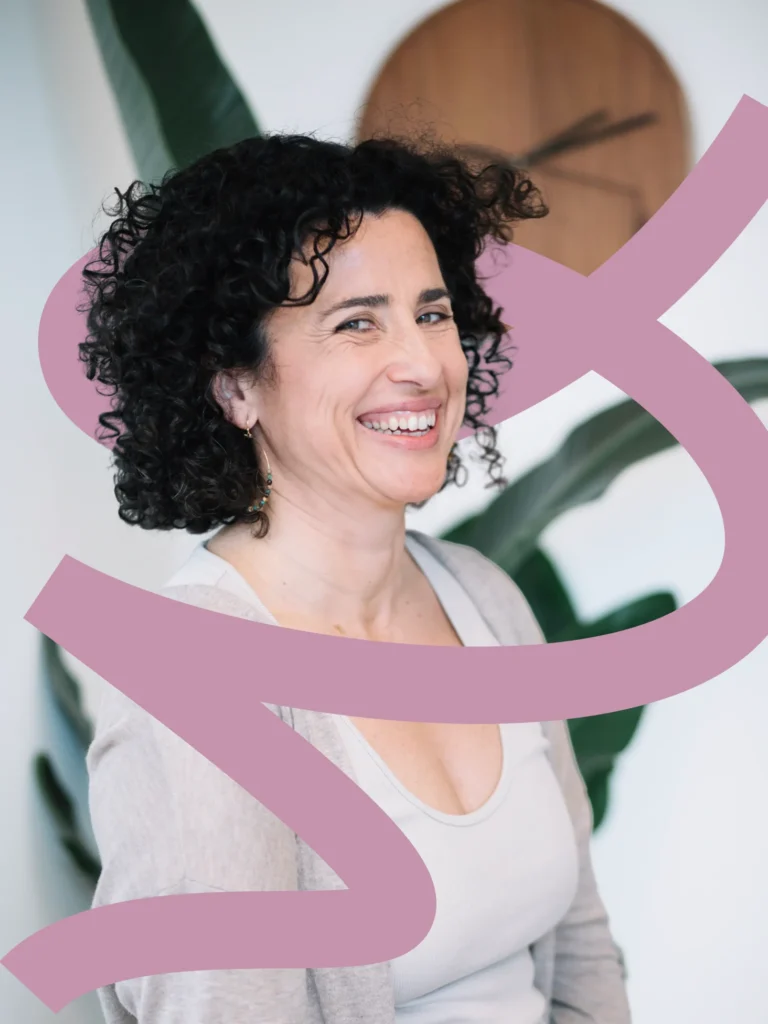
- Therapist
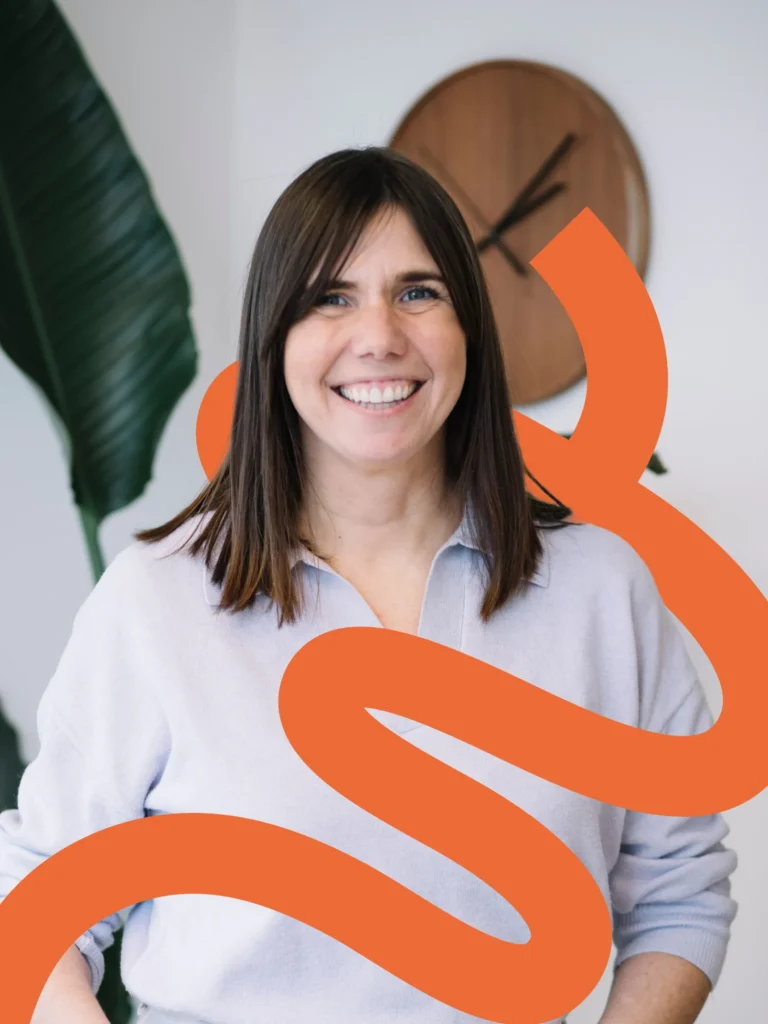
Laura del Mar Jiménez Pereta
Registered health psychologist and humanistic psychotherapist specialising in relational-integrative therapy
- Languages
- Spanish · Catalan · English
- Format
- In person in El Masnou · Online
- Therapist
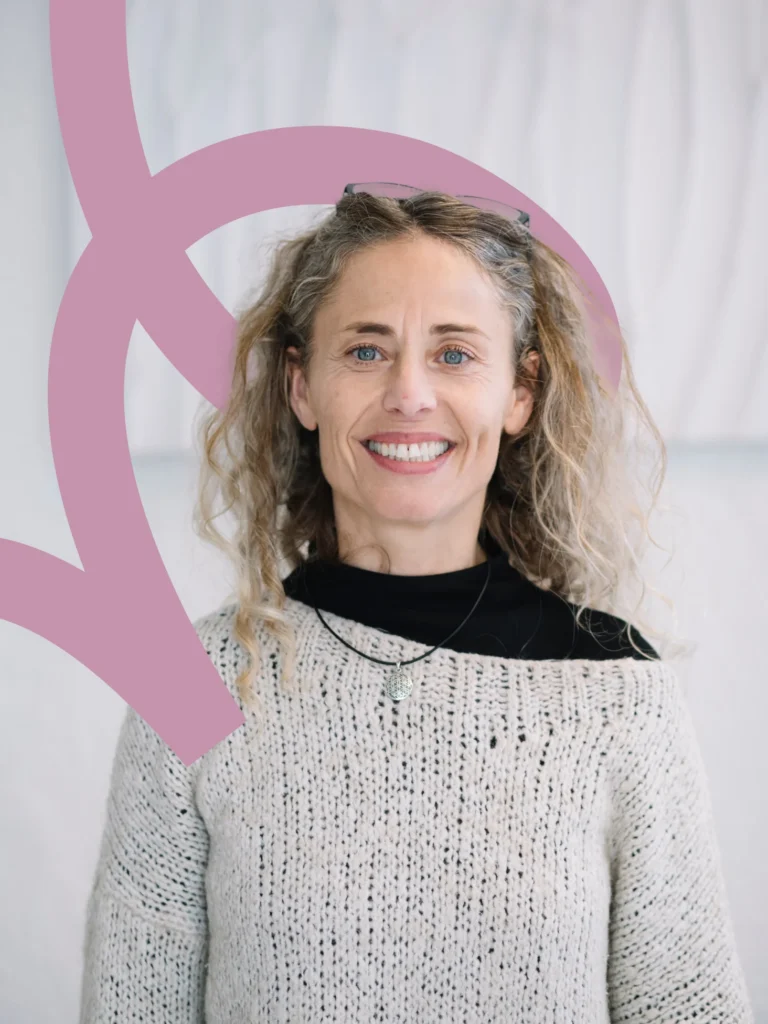
Marta Tarrida Tinoco
Registered health psychologist and humanistic psychotherapist specialising in relational-integrative therapy
- Languages
- Spanish · Catalan
- Format
- In person in El Masnou · Online
- Therapist
Tania Plaza Martínez
Systemic therapist · Couples and family therapy · Support for adults and adolescents
- Languages
- Spanish · Catalan
- Format
- In person in El Masnou · Online
frequently asked questions about couples therapy
Do we have to want to stay together to start therapy?
No.
You can come even if you have doubts. Therapy can help you understand what is happening and make a decision with more clarity.
Will the therapist decide who is right?
No.
The therapist’s role is not to act as a judge, but to help you understand the dynamic and make it possible for each person to listen and take responsibility for their part.
What if one of us is not very convinced?
It is common for one person to arrive with more motivation than the other.
What matters is that both are willing to come and explore what is happening, even if they do not yet share the same goals.
Are there individual sessions?
The therapy is for the couple and the focus is on the relationship.
At some points, the professional may propose an individual session with each person to better understand their history and their view, always within the couples process.
How long does the therapy last?
It depends on the situation, the goals and the level of distress.
Some couples need a short process to work on a specific difficulty, and others need more time to repair wounds or change deeply rooted dynamics.
Can therapy help us separate?
Yes.
It can also help you end the relationship with more respect, process the loss and build agreements, especially when you share children.
you can begin by understanding what is happening
First assessment appointment
A first 25-minute meeting to hear your situation, answer your questions and point you towards the right kind of support.
In-person therapy
Discover in-person psychological care at Calma de Ser in El Masnou.

Online therapy
Find out how online therapy works and which ages and types of support it is available for.