

About Calma
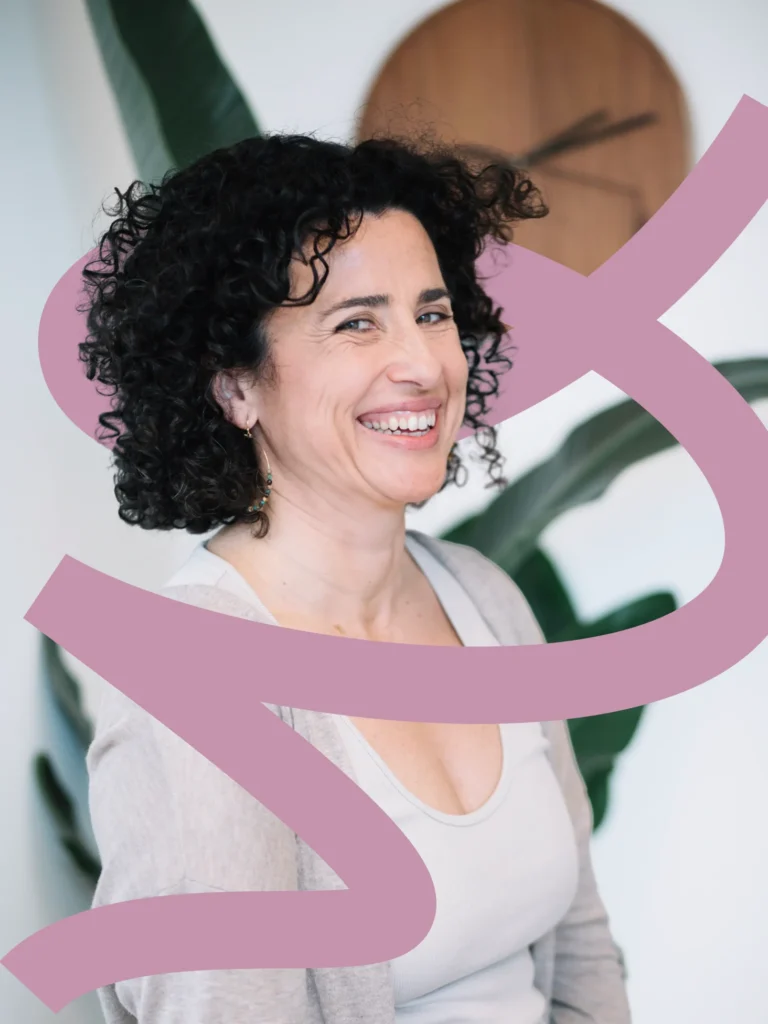
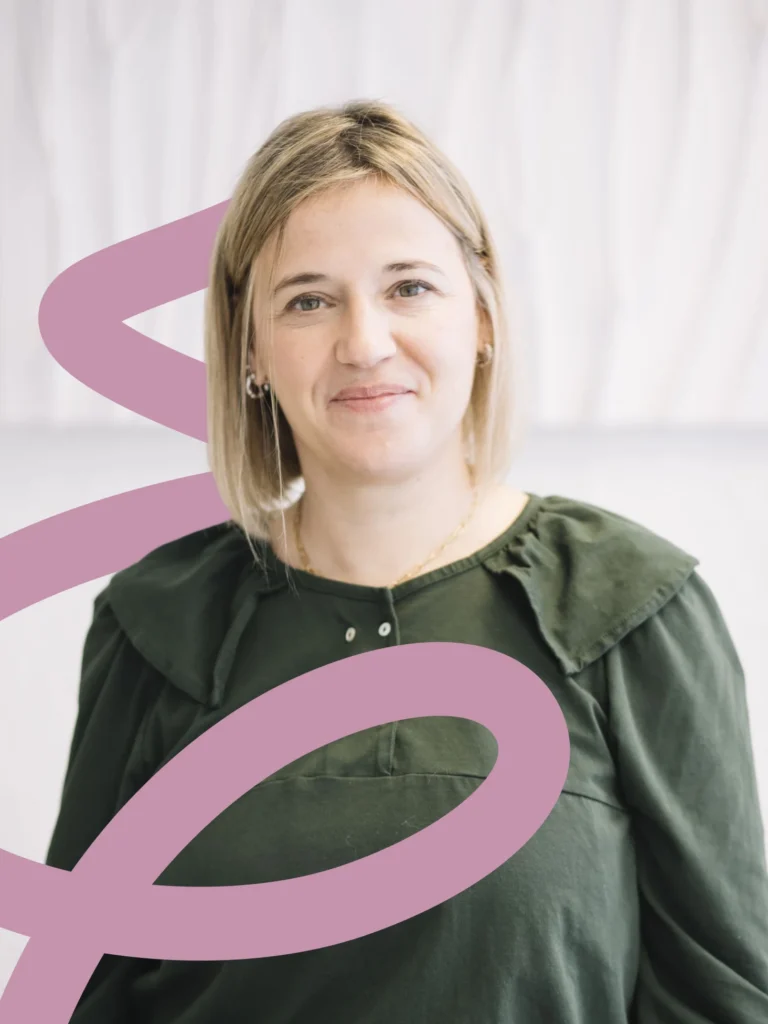
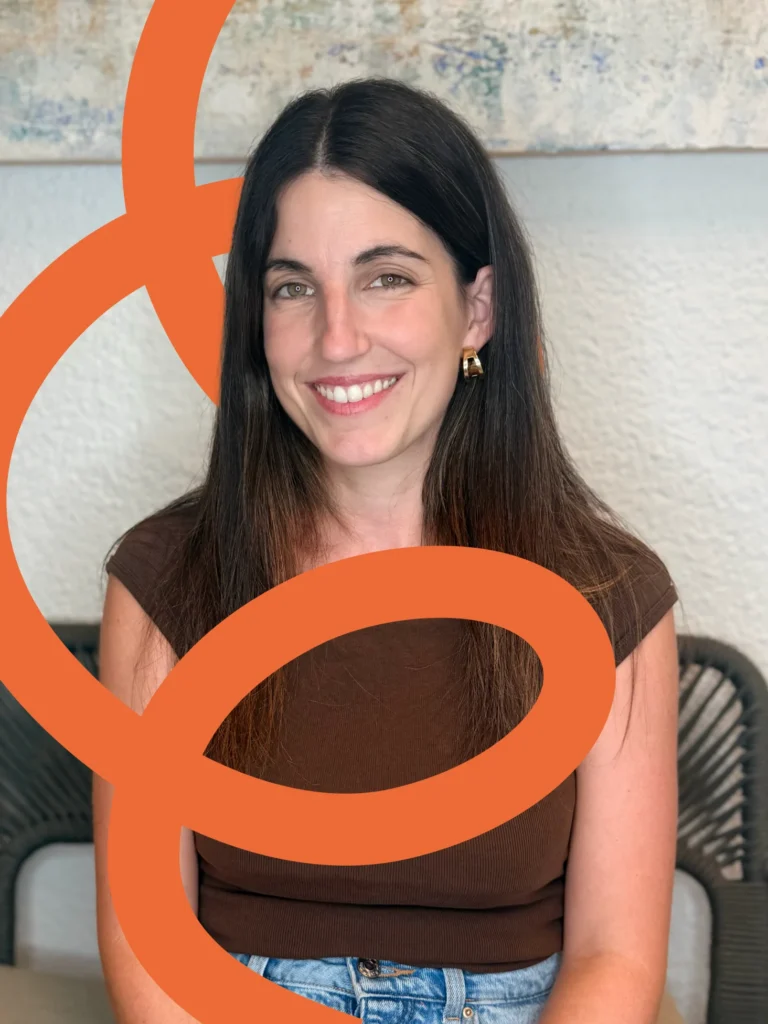
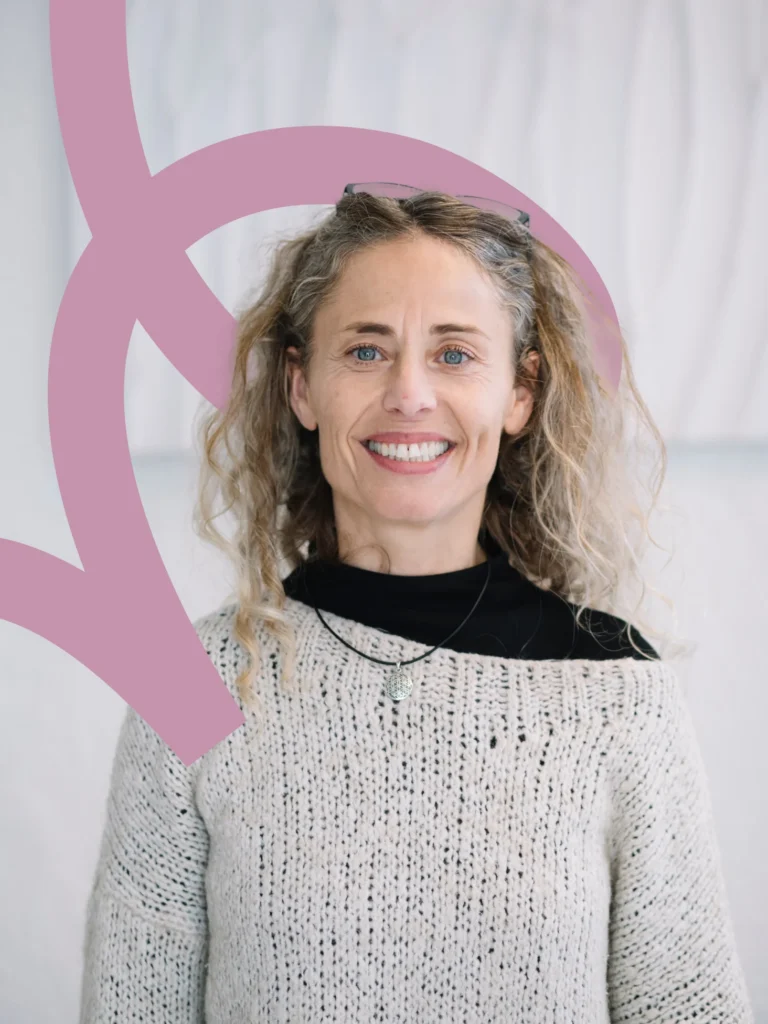
Professionals at Calma de Ser
Professionals who share the same way of understanding therapy: close, rigorous, human and respectful.
-
See profile →
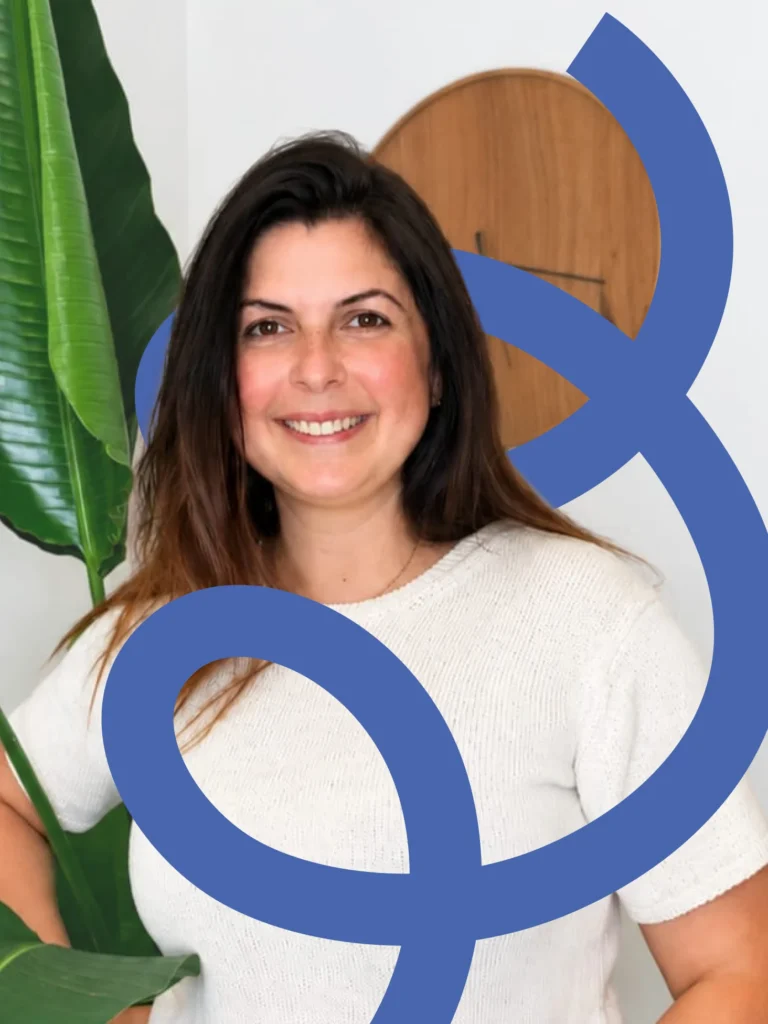
- Therapist
Beatriz Velazco Brao
Registered Health Psychologist · Child and adolescent psychology · Parenting guidance · Neurodivergence
- Languages
- Spanish · Catalan
- Format
- In person in El Masnou · Online
-
See profile →
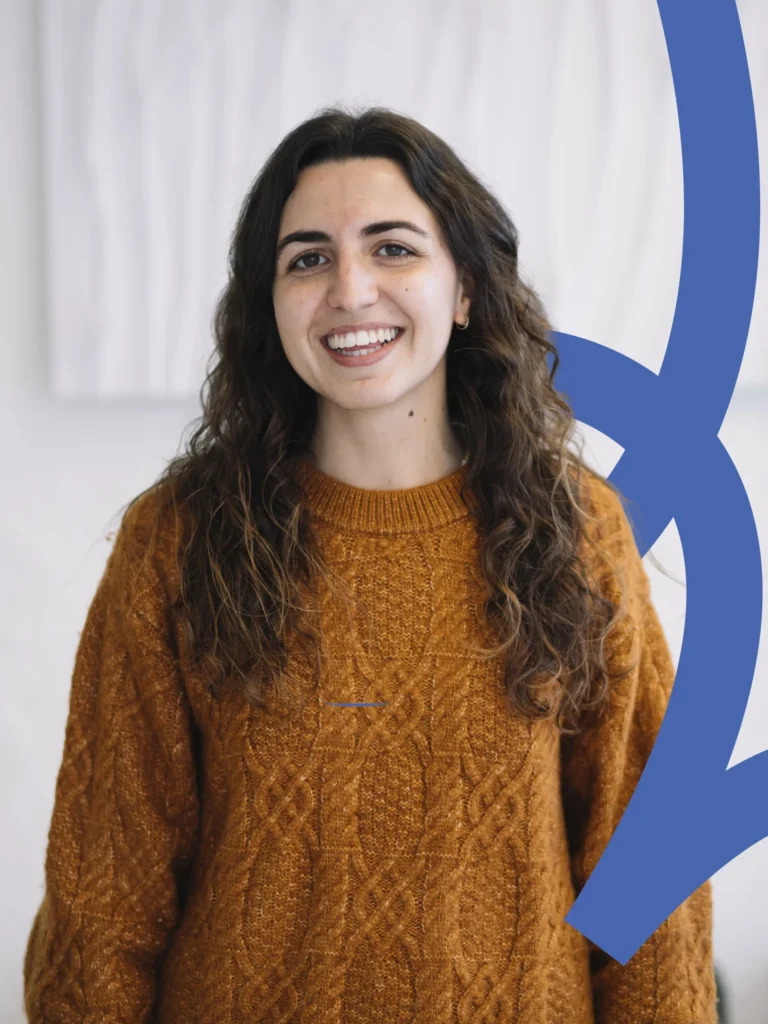
- Therapist
Berta Pujadó Rodríguez
Psychologist · Emotional support for children and adolescents · Educational psychology support
- Languages
- Spanish
- Format
- In person in El Masnou
-
See profile →
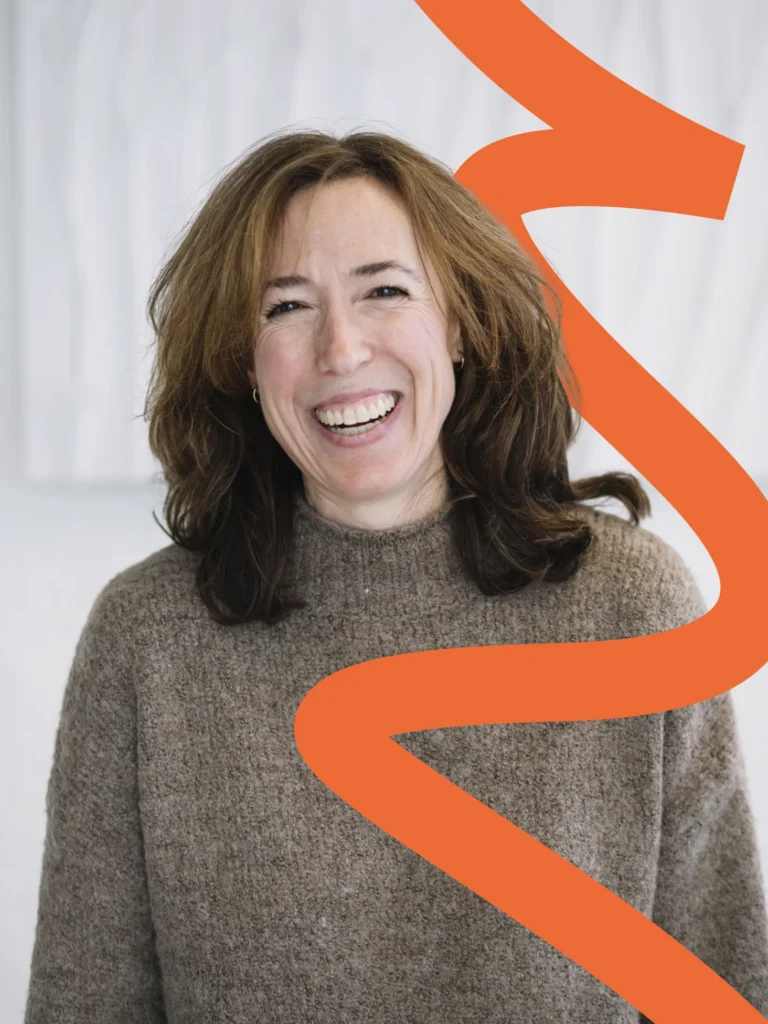
- Therapist
Clàudia Mohr Fàbregas
Registered health psychologist and psychotherapist · Adult psychotherapy
- Languages
- Spanish · Catalan
- Format
- In person in El Masnou · Online
-
See profile →
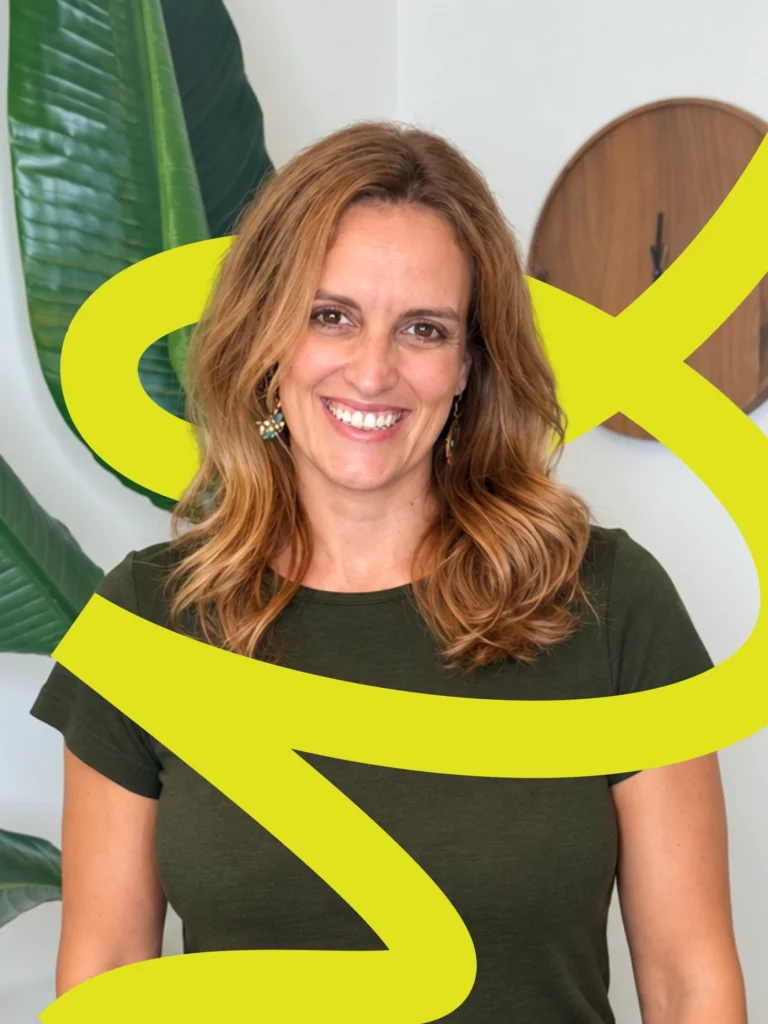
- Therapist
Dámaris Rey Álvarez
Psychologist · Child, adolescent and adult psychology · Neurodivergence · Parenting guidance
- Languages
- English · Catalan · Spanish
- Format
- In person in El Masnou · Online
-
See profile →
- Therapist
Laura del Mar Jiménez Pereta
Registered health psychologist and humanistic psychotherapist specialising in relational-integrative therapy
- Languages
- Spanish · Catalan · English
- Format
- In person in El Masnou · Online
-
See profile →
- Therapist
Laura Peiró Aguarón
Registered health psychologist and psychotherapist · Adult psychotherapy · Psychoanalysis, group analysis and brief systemic therapy
- Languages
- Spanish · Catalan
- Format
- In person in El Masnou · Online
-
See profile →
- Therapist
Mariona Royo Olazaguirre
Adult psychotherapist · Emotion-focused therapy
- Languages
- Spanish · Catalan
- Format
- In person in El Masnou · Online
-
See profile →
- Therapist
Marta Ros Giménez
Registered health psychologist and psychotherapist · Child, adolescent and adult psychotherapy
- Languages
- Spanish · Catalan
- Format
- In person in El Masnou · Online
-
See profile →
- Therapist
Marta Tarrida Tinoco
Registered health psychologist and humanistic psychotherapist specialising in relational-integrative therapy
- Languages
- Spanish · Catalan
- Format
- In person in El Masnou · Online
-
See profile →
- Therapist
Miguel Luna Ruiz
Registered Health Psychologist · Adult and adolescent psychotherapy · Individual, group and body-based therapy
- Languages
- Spanish · Catalan
- Format
- In person in El Masnou · Online
-
See profile →
- Therapist
Mireia Dote Vaca
To be confirmed
- Languages
- Spanish · Catalan
- Format
- In person in El Masnou · Online
-
See profile →
- Therapist
Patricia Cuairan Martínez
Registered Health Psychologist · Integrative psychotherapy with adults, children, adolescents and families · Coordinator of the first assessment sessions
- Languages
- Spanish · Catalan
- Format
- In person in El Masnou · Online
-
See profile →
- Therapist
Tania Plaza Martínez
Systemic therapist · Couples and family therapy · Support for adults and adolescents
- Languages
- Spanish · Catalan
- Format
- In person in El Masnou · Online
-
See profile →
- Therapist
Rubén Romero Marín
Neuropsychologist · Registered Health Psychologist · Neuropsychological assessment and diagnosis in childhood, adolescence, adulthood and older age · Adult psychotherapy
- Languages
- English · Catalan · Spanish
- Format
- In person in El Masnou · Online
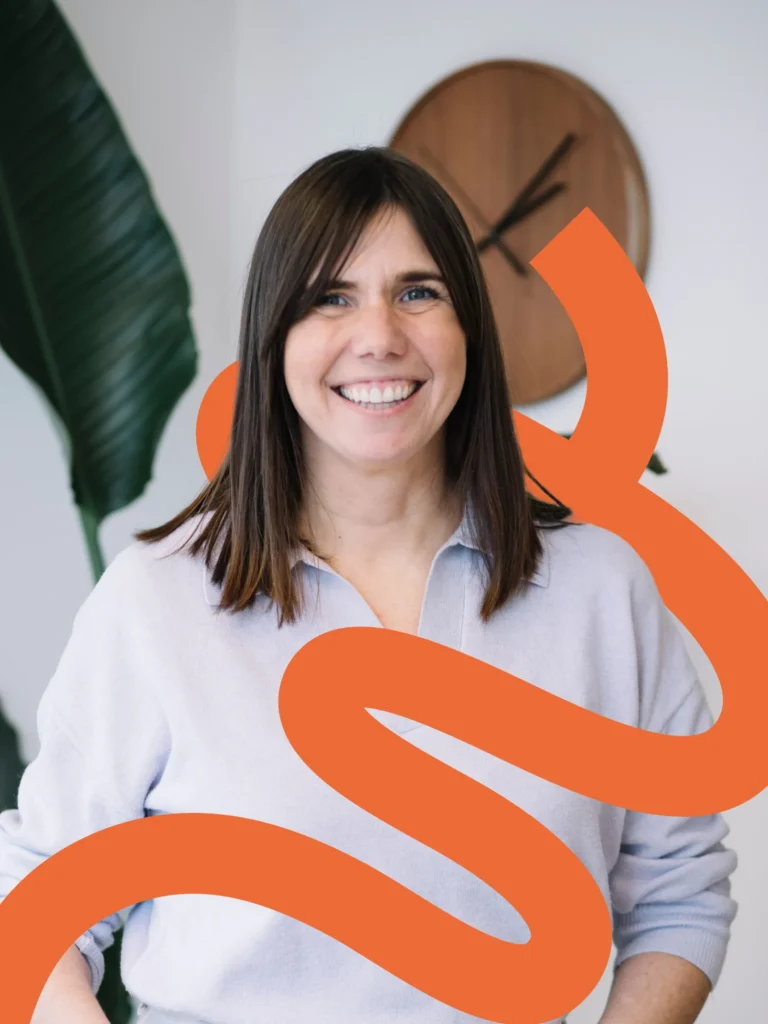
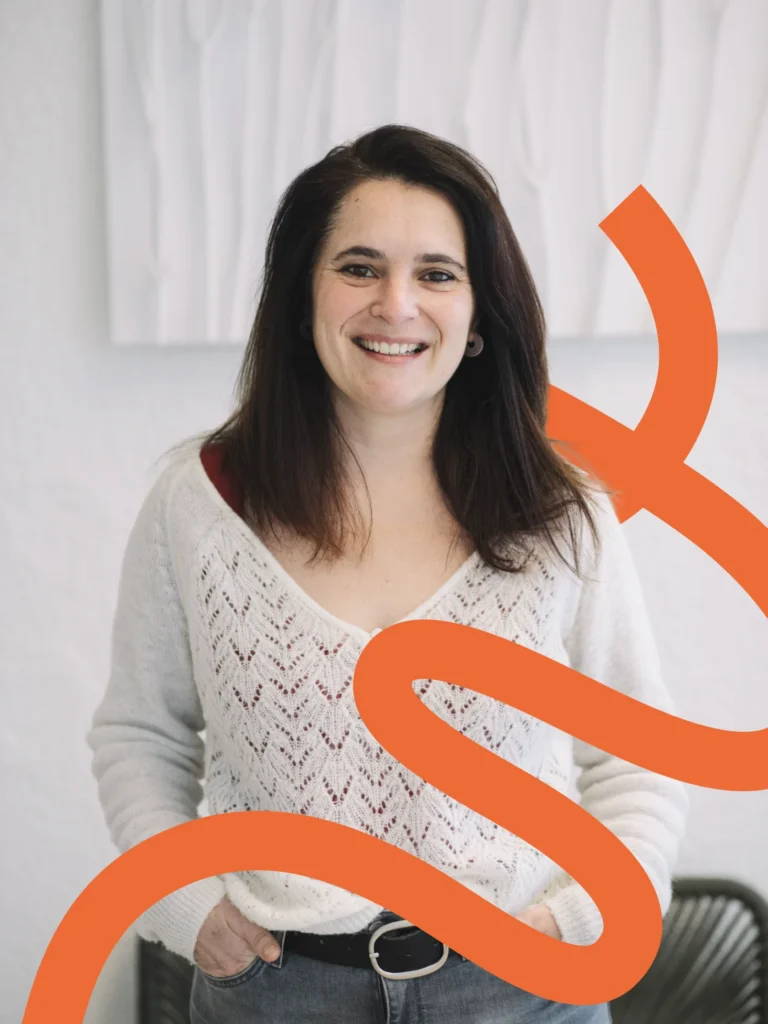
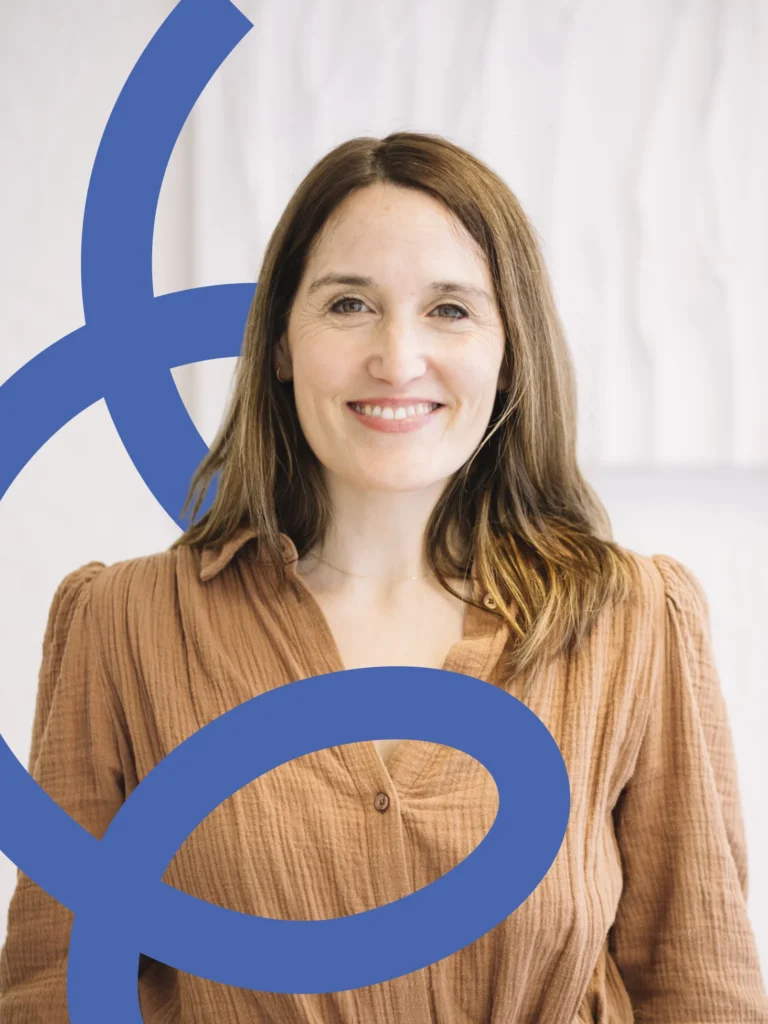


Finding the right professional is also part of the process
At Calma de Ser we are a team of registered health psychologists and psychotherapists with different specialities and backgrounds, but with the same clinical and human foundation.
We share an integrative, relational and non-pathologising perspective on psychotherapy. We do not see only a symptom or a specific difficulty: we are interested in understanding each person as a whole, taking into account their story, their relationships, their body, their emotions and their moment in life.
Each professional brings their experience, their training and their own particular way of supporting mental health processes. At the same time, we work from shared criteria of care, rigour, ongoing professional development and respect for each process.
You do not need to know in advance who may be the best fit for you. Our work also consists of guiding you so that you can start with the most suitable person for what you are going through.
This is how we support you
We do not believe in a single way of doing therapy, nor in formulas that work for everyone.
The professionals who work with Calma de Ser have trained in different approaches, techniques and areas of specialisation. This diversity allows us to adapt each process to the person from an integrative approach, rather than asking them to adapt to a rigid way of working.
That is why we attend both to what you can understand and express in words and to what appears in the body, in the emotions and in the way your nervous system responds to certain situations.
Sometimes we need to put things in order, understand our story and recognise the patterns that repeat. Other times, understanding is not enough, and we need to help the body feel safer, regulate itself and live a different experience.
Behind every session there is listening, presence and care, but also training, clinical judgement and an intervention designed for what you need.
Our aim is that, from the first contact, you can feel clarity, trust and one simple idea: you do not have to adapt to therapy; therapy has to be able to adapt to you.
You do not have to know exactly where to start
We can help you find the way.
How we assign a professional
Through a first assessment appointment
You do not need to choose a professional without knowing who can support you best.
In most individual processes we start with a first assessment appointment. It is a brief meeting in which we talk about what is happening to you, gather your needs and assess what kind of support may suit you.
We also take into account practical aspects such as your availability, the format you prefer and the moment in life you are going through.
After this first appointment, we guide you towards the psychologist or psychotherapist on the team we consider most suitable for your process and, where appropriate, towards the psychological treatment that may best fit you.
We do not only look for their speciality to match your reason for consultation. We also consider their therapeutic perspective, their professional experience and the kind of bond that can be built.
If you decide to continue, the assigned professional will contact you to arrange the first session.
And if during the process you feel you need a different kind of support, you can let us know. Therapy also needs a space where you can feel safe, understood and free to express what you need.
Couples, family and neuropsychology start differently
In couples therapy, family therapy and neuropsychology, the start is different. In these cases, we gather the necessary information beforehand and put you directly in touch with the specialist professional.
Different professionals for different moments in life
Each stage and each situation may need a different kind of support.
That is why, at Calma de Ser, we have professionals specialising in different areas, who work from the same integrative, relational and human perspective.
Adults
We support adults in processes of anxiety, stress, depression, persistent sadness, self-esteem, self-demand, trauma, grief, relationship difficulties, life crises and moments of change.
Sometimes distress appears clearly. Other times it shows up as tiredness, feeling stuck, disconnection, difficulty making decisions or the feeling of repeating patterns that cause suffering.
Therapy can help you understand what is happening, put words to what you feel and recognise how your story, your relationships and your ways of protecting yourself continue to influence the present.
We do not work with general formulas. Each process is adapted to your needs, your moment in life and the way you experience what is happening to you.
The aim is not only to relieve the symptom, but to help you recover more clarity, resources and capacity for choice, so that you can relate to yourself and to others in a more conscious and caring way, fostering your emotional well-being, your personal growth and your personal development.
Children
As mothers and as professionals, we wanted to create the child and adolescent space we ourselves would take our sons and daughters to if they ever needed it.
A place where every child can feel seen beyond their behaviour, supported with respect and understood with their developmental moment, their emotional world, their relationships and their environment in mind.
We support emotional difficulties, fears, changes in behaviour, self-esteem, regulation, learning, adaptation and family situations that may be affecting their well-being.
In processes with children, mothers, fathers or caregivers are always part of the support. Not because they are to blame for what is happening, but because a child’s well-being cannot be understood in isolation.
Children grow within relationships, routines and contexts that influence how they feel and how they express their distress. That is why we also need to listen to the adults who care for them and offer them guidance to support with more clarity, security and resources.
The process is adapted to each case. Some sessions will be with the child and others with their mothers, fathers or caregivers, depending on what the process needs at each moment.
Adolescence
Adolescence is a stage of change, searching and building an identity.
We support difficulties related to anxiety, sadness, irritability, self-esteem, relationships, studies, behaviour, identity or distress within the family.
At this stage, it is often hard to put words to what is happening. Distress can show up as isolation, anger, feeling stuck, lack of motivation, conflicts at home or difficulty finding a place of one’s own.
We offer a space where the adolescent can feel heard without judgement, understand what is happening to them and find safer ways of relating to themselves and their environment.
The process also takes the family into account. We respect the adolescent’s privacy and, at the same time, support their reference adults so that they can better understand what they need and how to hold this stage.
Our aim is to foster a space of trust from which they can develop more resources, autonomy and the capacity to express themselves authentically.
Educational psychology support
We support children and adolescents with difficulties in learning, attention, organisation, planning, reading and writing, comprehension or study habits.
Educational psychology support is especially important for profiles with ADHD, learning disorders and difficulties in reading and writing, because it allows specific work on the functions that interfere with everyday school life.
It is not just about “doing homework” or repeating content. The aim is to understand how each child or adolescent learns, detect which processes are making learning difficult and offer strategies adapted to the way they function.
We work on aspects such as sustained attention, executive functions, planning, organisation, working memory, reading and writing, and comprehension. We also attend to the emotional impact these difficulties can create: frustration, lack of motivation, insecurity or the feeling of not being capable.
The intervention is adapted to each person’s specific needs and, when necessary, is coordinated with the family, the school and other professionals.
The importance of this support lies in the fact that it does not only help improve academic performance. It also makes it possible to recover confidence, autonomy and a more secure relationship with learning.
Parenting guidance
We support mothers, fathers and caregivers who need to better understand what is happening with their sons and daughters and find better-adjusted ways of supporting them.
Sometimes questions arise about boundaries, tantrums, sleep, eating, jealousy, autonomy, communication or certain changes in behaviour. Other times, the distress has more to do with the experience of parenting itself: tiredness, guilt, the feeling of not keeping up or the fear of not doing it right.
Parenting guidance offers a space to put in order what is happening, review family dynamics and understand what each family member needs. We do not work from general recipes or from looking for someone to blame, but from a respectful, relational perspective adapted to each situation.
We can also offer specific guidelines when there are difficulties related to sleep, eating or needs associated with ASD, such as food restriction and other sensitivities.
The aim is for the adults to feel safer, clearer and more supported in their way of caring, and for the children to find a more understanding, stable environment adjusted to their needs.
Couples
We support couples going through crises, repeated conflicts, emotional distance, communication difficulties, loss of trust, changes in intimacy or desire, accumulated wounds and doubts about how to go on.
Often the problem is not only what is being argued about, but the cycle the couple has become trapped in. One person insists, demands or tries to get closer, while the other protects themselves, closes off or pulls away. Both can end up feeling alone, misunderstood or unimportant within the relationship.
In therapy we do not seek to decide who is right or who is doing worse. We help to understand what dynamic has been created, what emotions and needs are hidden behind the reproaches or the silences, and what wounds are activated when conflict appears.
The process can help to restore communication, repair the damage, rebuild trust and meet again from a more conscious place. It also makes it possible to review intimacy, parenting, living together, families of origin or life projects.
Other times, therapy helps to make decisions with more clarity and respect, including when the decision is to separate. The aim is not to stay together at any cost, but to understand each other and decide how you want to relate in a less reactive and more honest way.
Online therapy
Online therapy makes it possible to begin or continue a process from anywhere, keeping the care, presence and depth of the support.
It may suit you if you live far from El Masnou, have complicated schedules, travel often, need to avoid travelling or prefer to have sessions from your own space.
The format changes, but our way of working stays the same. We continue to attend to your story, your relationships, your emotions, your body and the therapeutic relationship that is built during the process.
For the session to take place safely, you will need a private space, a stable connection and a place where you can talk in peace. It is also important to set aside a few minutes before and after so that you can enter and leave the session calmly.
Online therapy may be suitable for adults, adolescents from a certain age and couples, as long as the format fits the situation and needs of each case.
In the first appointment we can help you assess whether the online format is the most suitable for you, and guide you on how to prepare your space so that you can feel comfortable, cared for and supported.
Neuropsychology
Neuropsychology helps to understand how processes such as attention, memory, learning, language, executive functions and other abilities that influence everyday life work.
We carry out assessments in childhood, adolescence, adulthood and older age when questions arise about development, learning, neurodivergence, cognitive functioning or possible changes related to a neurological condition.
The assessment does not consist only of carrying out tests or obtaining a label. We integrate the results with the developmental history, the context, the difficulties observed and the concerns of each person or family.
This process makes it possible to understand what is happening, identify strengths and needs and offer clearer guidance on the supports that may be useful.
At the end, we hold a feedback session and, where appropriate, prepare a report with recommendations applicable to daily life and to the educational, family or work environment.
Putting a name to a difficulty does not define the person. It can help them understand themselves better, reduce uncertainty and find resources better adjusted to their particular way of functioning.
You do not need to know who can help you before you start
First assessment appointment
A first 25-minute meeting to hear your situation, answer your questions and point you towards the right kind of support.
In-person therapy
Discover in-person psychological care at Calma de Ser in El Masnou.

Online therapy
Find out how online therapy works and which ages and types of support it is available for.